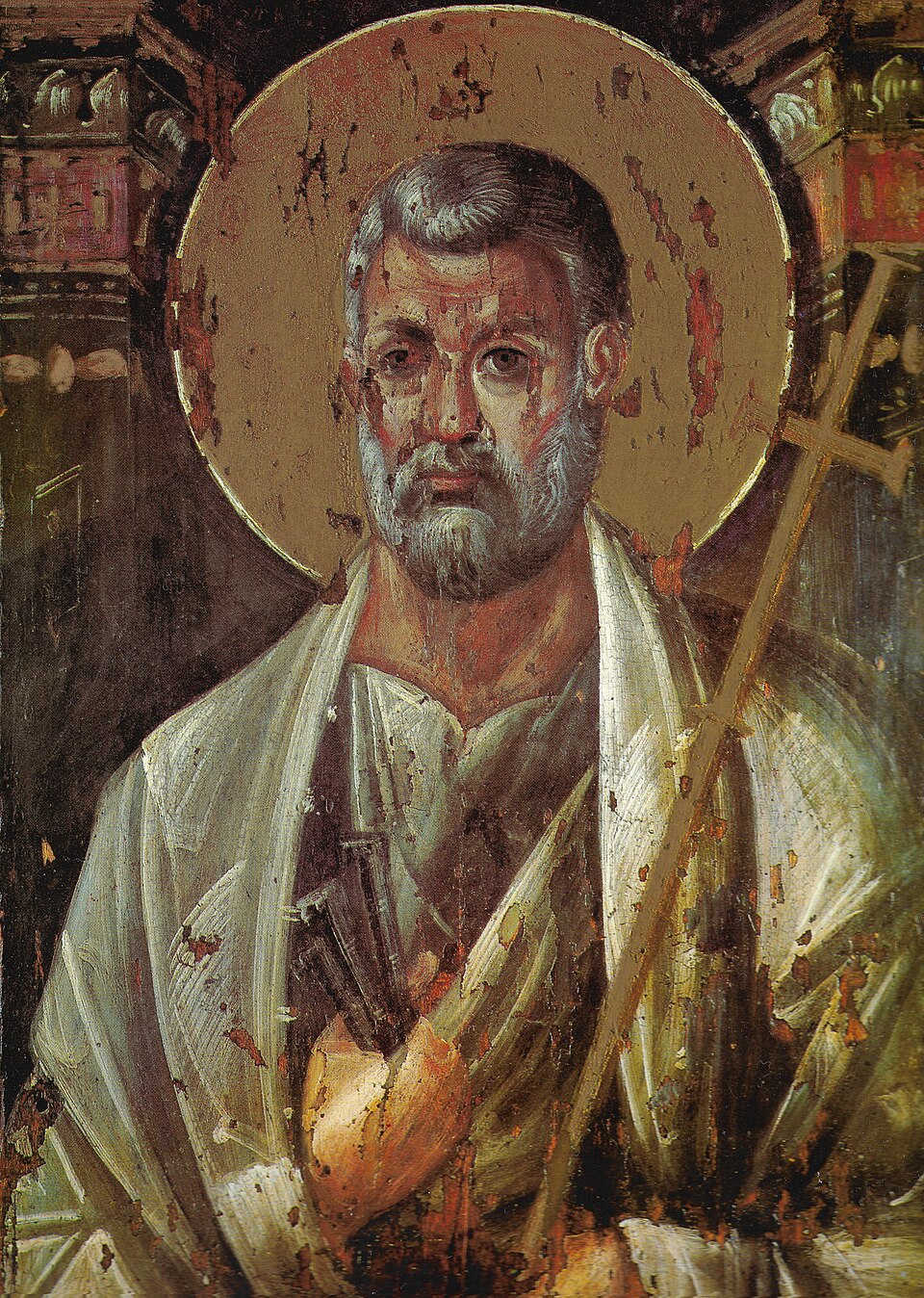
The Confluence of Names: Why "Peter Woo Net Worth" Encounters Saint Peter Content
In the vast and intricate world of online search, ambiguity can often lead to surprising and sometimes frustrating results. A prime example of this phenomenon arises when users search for "peter woo net worth," only to find themselves navigating a sea of information pertaining to Saint Peter, the Apostle. This unexpected cross-pollination of search results isn't a glitch but rather a fascinating insight into how search engines interpret queries, the weight of historical content, and the subtle nuances of user intent. The reference context itself highlights this very issue: sources explicitly about "Apostle Peter Biography," "Saint Peter the Apostle," and "Saint Peter - Wikipedia" contain no mention of "peter woo net worth." This absence is precisely the point. While one query seeks contemporary financial data about a prominent business magnate, the other refers to a pivotal figure in religious history whose life and legacy have been documented for millennia. Understanding this divergence is crucial for both searchers seeking accurate information and content creators striving for optimal search engine optimization (SEO).Deconstructing Search Intent: Peter Woo vs. Saint Peter
At the heart of every search query lies a specific intent. When someone types "peter woo net worth" into a search engine, their intent is unequivocally focused on financial information. They are likely looking for:- Estimates of Peter Woo's personal wealth.
- Details about his business ventures and holdings (e.g., Wheelock and Company, Wharf Holdings).
- Articles from business news outlets like Forbes, Bloomberg, or financial newspapers.
- Information on his philanthropic activities or investment strategies.
- Historical facts about one of Jesus Christ's twelve apostles.
- Information on his role in early Christianity, his martyrdom, and his significance in various denominations.
- Details about his feast day, patronages, or scriptural references.
- Religious or academic interpretations of his life and teachings.
Who is Peter Woo, and Why the Interest in His Net Worth?
To truly grasp the "peter woo net worth" search phenomenon, it's essential to briefly understand the subject of the search itself. Peter Woo Kwong-ching is a Hong Kong billionaire businessman and philanthropist. He served as the chairman of Wheelock and Company Limited and Wharf Holdings Limited, two massive conglomerates with diverse interests ranging from property development and investment to infrastructure and logistics. His business acumen and strategic leadership have earned him a prominent place among Asia's wealthiest individuals. The interest in figures like Peter Woo's net worth stems from several factors:- Economic Curiosity: People are naturally curious about the wealth accumulated by successful entrepreneurs, often viewing it as a benchmark of success or an indicator of economic trends.
- Investment Research: Investors or business professionals might be researching individuals who influence major corporations or markets.
- Inspiration/Aspiration: Some may look to billionaires as sources of inspiration, studying their career paths and financial achievements.
- Public Accountability: For such influential figures, there's often public interest in their financial dealings, especially concerning their impact on the economy and society.
The Enduring Legacy of Saint Peter: A Pillar of Faith and History
On the other side of this digital divide stands Saint Peter, originally known as Simon. He was one of the twelve apostles of Jesus Christ and is revered as a foundational figure in Christianity. According to the New Testament, Jesus bestowed upon him the name Cephas (Aramaic for "rock"), which translates to Peter in Greek, signifying his pivotal role in building the early Church. His life, ministry, and eventual martyrdom in Rome are extensively documented in religious texts, historical accounts, and scholarly works. The enduring online presence of content about Saint Peter is due to:- Global Religious Significance: As the first Pope of the Catholic Church and a saint in numerous Christian denominations, his story is central to the faith of billions worldwide.
- Vast Historical Documentation: For nearly two millennia, countless books, articles, and theological treatises have been written about him, creating an immense body of literature.
- Academic and Theological Study: Scholars continuously analyze his life, epistles, and role in early Christianity, contributing to a constant flow of new content and reinterpretations.
- Cultural Impact: Saint Peter features prominently in art, literature, and popular culture, further solidifying his digital footprint.
Navigating the Digital Landscape: Tips for Searchers and Content Creators
The "peter woo net worth vs. Saint Peter" scenario offers valuable lessons for both those searching for information and those creating it.Tips for Searchers: Refining Your Queries
If you're looking for specific information like "peter woo net worth," precision is your best friend:
- Use Full Names: Always specify "Peter Woo" instead of just "Peter."
- Add Specific Keywords: Append terms like "net worth," "billionaire," "Forbes," "company," or "business" to narrow the focus. For example, "Peter Woo net worth Forbes" or "Peter Woo Wheelock Holdings."
- Utilize Quotation Marks: Use exact match queries like "peter woo net worth" to tell the search engine you want that exact phrase.
- Exclude Unwanted Terms: If you're consistently getting results about the Apostle, try adding "-apostle," "-saint," or "-bible" to your search query (e.g., "peter woo net worth -apostle").
Tips for Content Creators and SEO Professionals: Addressing Ambiguity
For those building websites and creating content, understanding ambiguous keywords is crucial for effective SEO:
- Keyword Research is Paramount: Thoroughly research all possible interpretations of a keyword. Tools that show related searches and common misspellings can be invaluable.
- Create Disambiguation Content: If your site covers a topic that shares a name with another prominent figure (like "Peter"), consider creating a disambiguation page or a dedicated section explaining the distinction. For instance, an article could be titled, "Understanding Peter: A Look at Peter Woo vs. Saint Peter."
- Optimize for Long-Tail Keywords: Instead of trying to rank for a broad, ambiguous term, focus on longer, more specific phrases that clearly indicate user intent. For "Peter Woo," this means "Peter Woo net worth 2023" or "Peter Woo business empire."
- Clearly Define Your Niche: Ensure your website's overall theme and individual article topics are distinct. If your site is about business, ensure all content reflects that. Similarly, if your focus is religious history, maintain that thematic consistency. For more on this, consider reading Peter Woo Net Worth: Why These Sources Focus on Apostle Peter.
- Monitor Search Results for Your Keywords: Regularly check what appears in the search engine results pages (SERPs) for your target keywords. This helps you understand the competition and identify any irrelevant content that might be ranking.
